When It Makes Sense to Move From Remote Work to a Dedicated Office
From Home to Headquarters
Remote work has given many businesses flexibility and efficiency, especially during early growth stages. Over time, however, some teams begin to feel the limitations of working exclusively from home or from temporary spaces. Knowing when it makes sense to transition into a dedicated office can help businesses support collaboration, productivity, and long term stability.

Signs Your Team Has Outgrown Remote Work
One of the clearest indicators is communication friction. When collaboration starts to feel fragmented across video calls, emails, and messaging platforms, work can slow down. Teams may struggle to brainstorm, solve problems quickly, or maintain alignment on priorities.
Another sign is
blurred boundaries. Employees who
work remotely for long periods sometimes find it difficult to separate work from personal life. This can lead to burnout, inconsistent schedules, and reduced focus. A dedicated office creates physical separation that supports healthier routines.

Client Facing Needs and Professional Presence
As businesses grow, client interaction often increases. Meeting clients in coffee shops or over video calls may work initially, but it can limit credibility as expectations rise. A professional office environment provides a consistent setting for meetings, presentations, and consultations.
Having a dedicated space signals stability and commitment. It allows businesses to control the experience clients have when they walk through the door, which can influence trust and confidence.
Collaboration and Culture Considerations
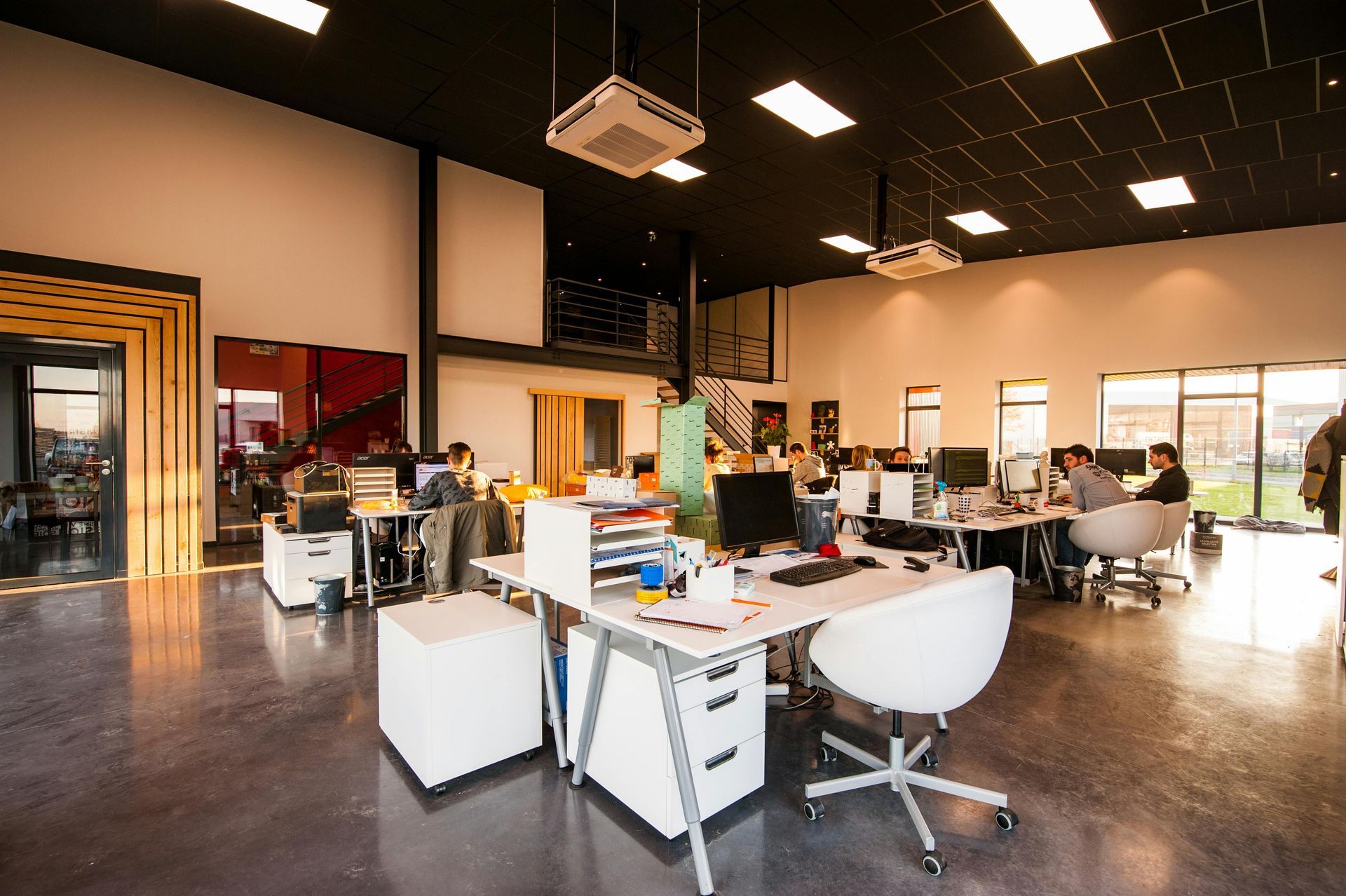
Company culture is shaped by daily interactions. While remote work can support individual productivity, it may reduce spontaneous collaboration. Informal conversations, quick check ins, and shared problem solving often happen more naturally in a shared space.
A dedicated office does not eliminate flexibility, but it can create opportunities for connection that are difficult to replicate virtually. For teams that value collaboration, mentoring, or creative work, an office can strengthen culture and cohesion.

Client Facing Needs and Professional Presence
As businesses grow, client interaction often increases. Meeting clients in coffee shops or over video calls may work initially, but it can limit credibility as expectations rise. A professional office environment provides a consistent setting for meetings, presentations, and consultations.
Having a dedicated space signals stability and commitment. It allows businesses to control the experience clients have when they walk through the door, which can influence trust and confidence.
Collaboration and Culture Considerations
Company culture is shaped by daily interactions. While remote work can support individual productivity, it may reduce spontaneous collaboration. Informal conversations, quick check ins, and shared problem solving often happen more naturally in a shared space.
A dedicated office does not eliminate flexibility, but it can create opportunities for connection that are difficult to replicate virtually. For teams that value collaboration, mentoring, or creative work, an office can strengthen culture and cohesion.

Productivity and Focus
Working from home can introduce distractions that affect concentration. Family responsibilities, household noise, and limited workspace can make it harder to maintain focus, especially for roles that require sustained attention.
An office environment designed for work supports productivity by reducing interruptions and providing appropriate tools and infrastructure. Reliable internet, dedicated meeting rooms, and quiet work areas all contribute to more efficient workflows.

Flexibility Without Long Term Risk
One concern businesses often have is committing too early. The idea of long leases and unpredictable costs can make decision makers hesitant. While we do not lease or sublease individual offices, we offer specialized options for those seeking a professional environment.
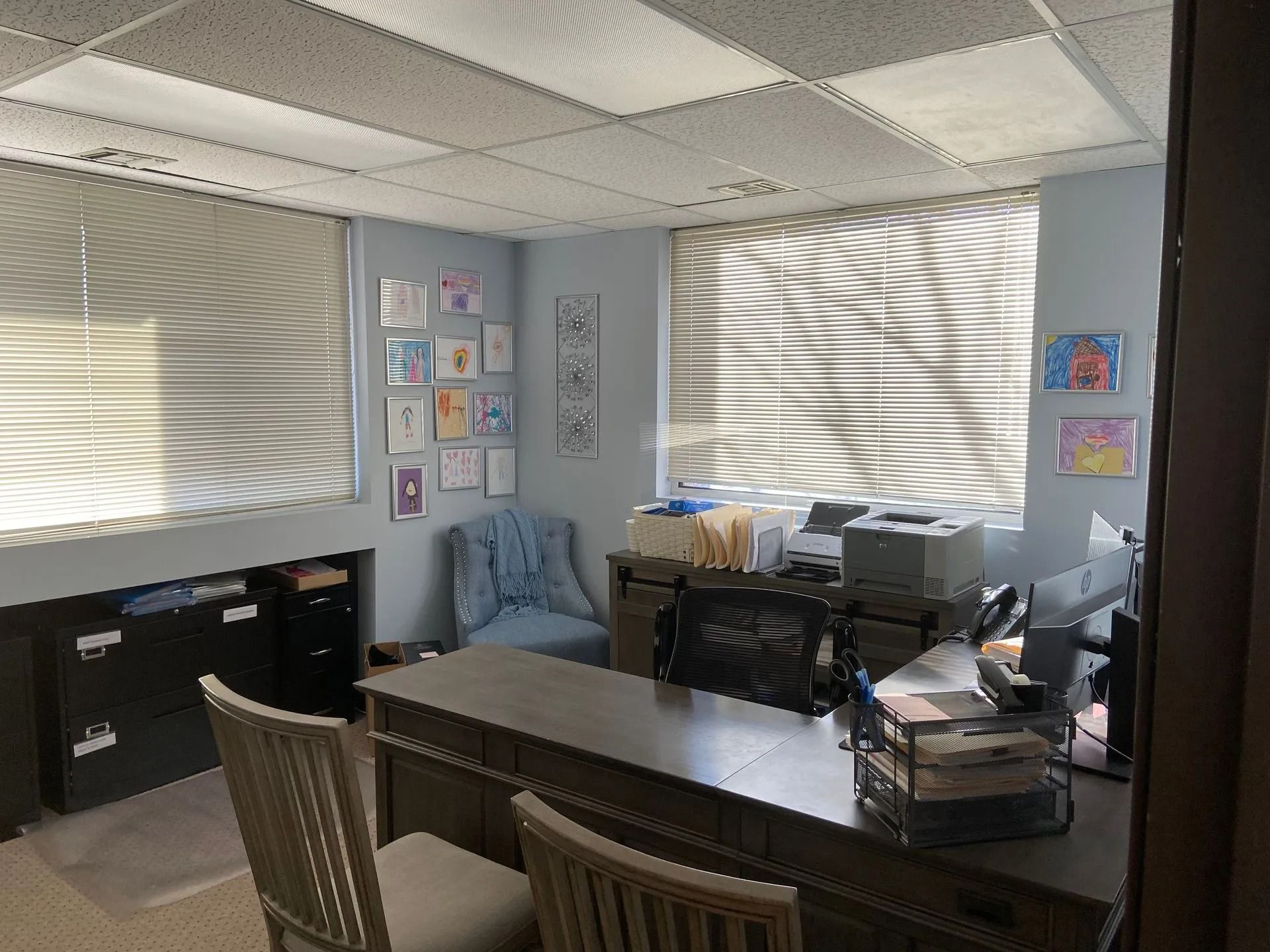
Flexible office solutions allow businesses to gain the benefits of a professional space without overextending. For a single user who needs more than just a desk, we provide small suites of approximately 400 sq. ft. These scalable options and predictable monthly costs help support growth while preserving financial control.
Supporting Employee Experience
Providing a professional workspace can be a meaningful benefit for employees. It offers a place designed for collaboration and focus, while still allowing flexibility when appropriate. Many teams find a hybrid approach works well, combining office days with remote options.
An office also supports onboarding, training, and mentorship. New team members often benefit from in person interaction, which can accelerate learning and integration.

Planning for the Next Phase
Moving into an office is not just about current needs. It is about planning for what comes next. Businesses that anticipate growth, increased hiring, or expanded services often find that securing a dedicated space supports smoother transitions.
The goal is not to abandon flexibility, but to add structure where it adds value.
Making the Move With Confidence
Deciding when to move from remote work to a dedicated office is a strategic choice. It should be based on communication needs, client expectations, team dynamics, and long term goals.
At Vista at Southbridge, we work with growing businesses to provide flexible office solutions that support this transition thoughtfully. A dedicated office can be the next step toward stronger collaboration, improved focus, and a more professional presence as businesses continue to evolve.